O νέος συλλογικός τόμος με τίτλο «Navigating Simulations in Marketing for Strategic Success» θα κυκλοφορήσει σύντομα από τον εκδοτικό οίκο IGI Global. Ο […]
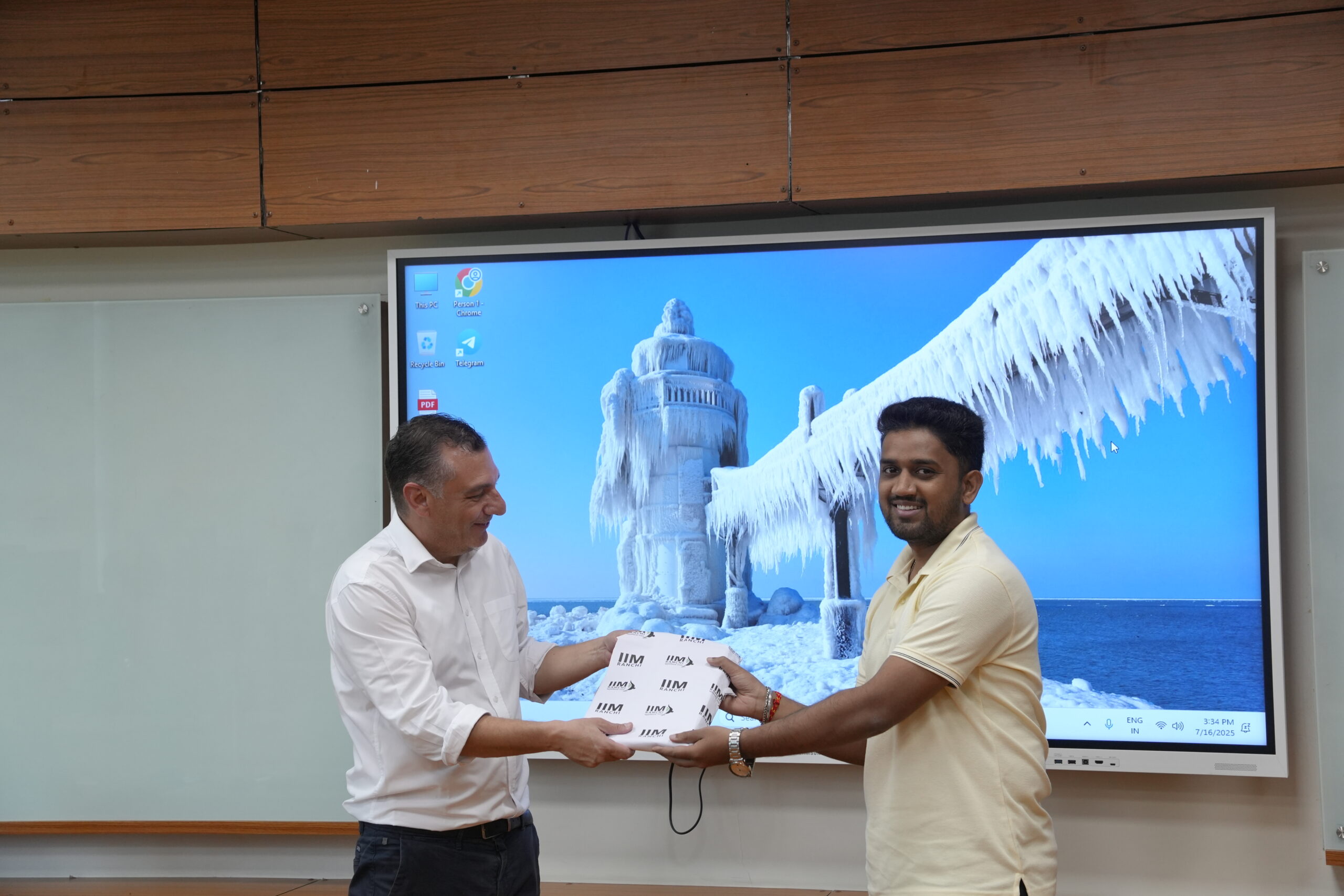
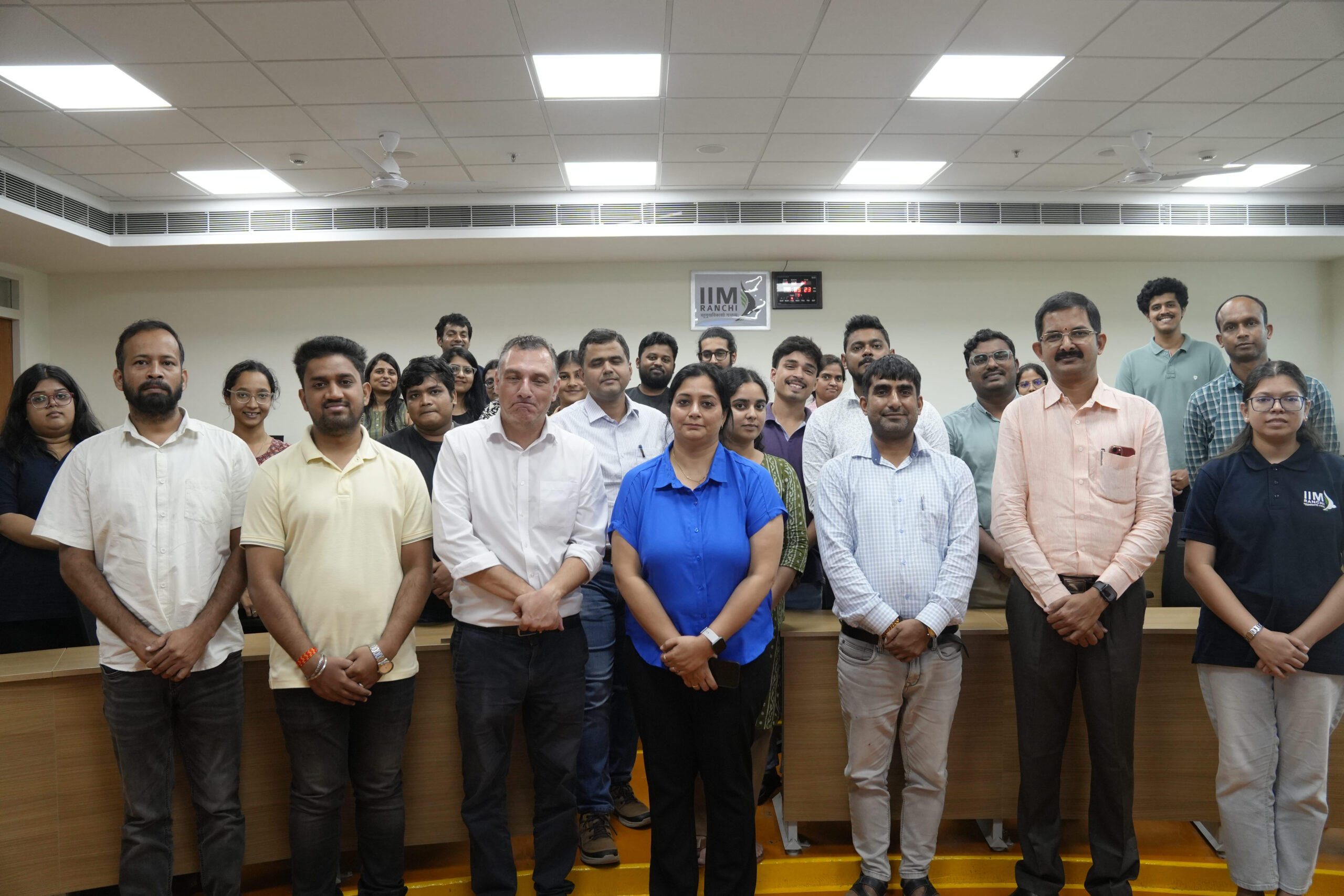
As part of the ongoing Research Methods Series, the Indian Institute of Management (IIM) Ranchi hosted a lecture by Dr. Andreas Masouras on July 16, 2025. The session, titled “The Use of Qualitative Methods in Doctoral Research: Emphasizing the Role of Focus Groups”, was specifically designed for doctoral students.
Neapolis University Pafos is proud to announce Dr. Masouras's appointment, highlighting his academic excellence and commitment to international quality assurance in higher education.
Explore the evolving landscape of entrepreneurship in the digital age by contributing to this special collection, focusing on emerging technologies and innovation.
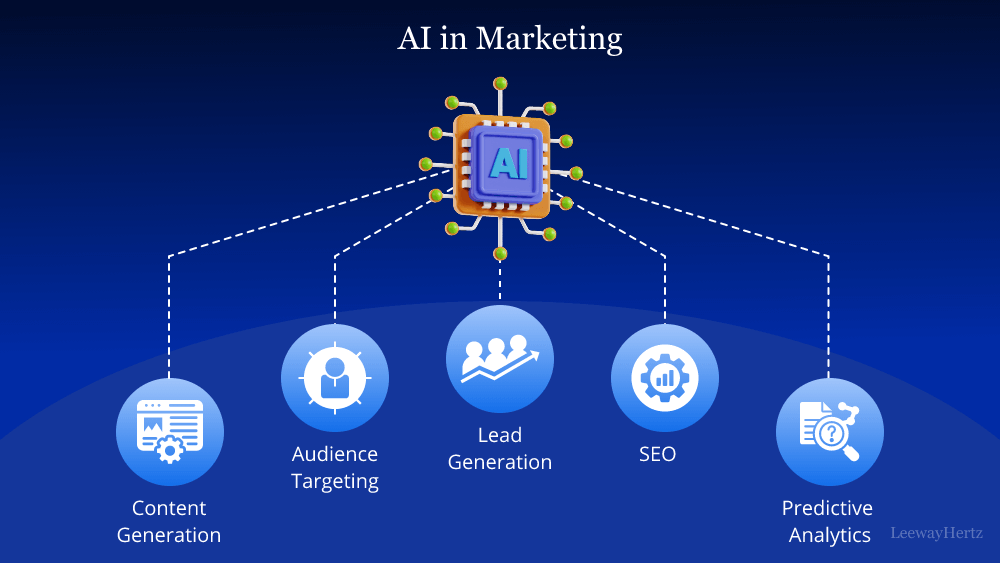
The rapid integration of Artificial Intelligence into the business world is fundamentally reshaping how we approach marketing. But when it comes to the classic Marketing Mix—the "4 Ps" of Product, Price, Place, and Promotion—are we witnessing a change in the components themselves, or simply a transformation in the way we implement and prioritize them?
In today’s fast-evolving world, innovation is no longer confined to high-tech labs or groundbreaking inventions. It often hides in the small, the simple, and the seemingly insignificant. This shift highlights the growing importance of alternative innovation—a mindset that encourages us to look beyond traditional frameworks and recognize value in unexpected places.
In his article "Quality in Television as a Methodological Problem," Dr. Andreas Masouras explores the complex and often ambiguous notion of quality within television content. He argues that although the term "quality" is frequently used in public discourse and even in constitutional or legal frameworks, it remains largely undefined and elusive when it comes to media studies. This lack of clarity poses a significant challenge for researchers who seek to assess or compare television programming based on qualitative standards.









 Ελληνικά
  English